SMP vs Full Cream Milk Powder: What Is the Difference and Which One Should You Choose?
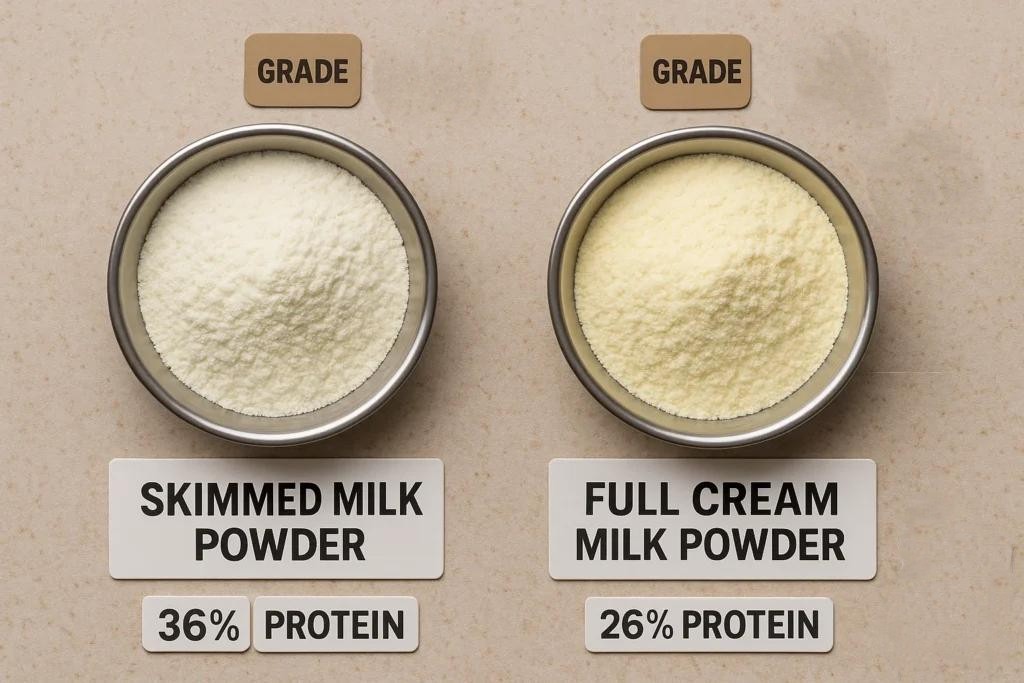
Milk powder is an important dairy ingredient used across the food and beverage industry. From dairy beverages and yogurt to ice cream, bakery products and confectionery, manufacturers use different types of milk powder depending on their formulation and production requirements.Two of the most commonly used options are Skimmed Milk Powder (SMP) and Full Cream Milk Powder (FCMP), also commonly referred to as Whole Milk Powder (WMP).Although both products originate from milk, they have important differences in milk-fat content, nutritional composition, flavour, formulation properties, applications and cost considerations.Understanding these differences is essential for food manufacturers, dairy processors, importers and procurement teams.What Is SMP Milk Powder?SMP stands for Skimmed Milk Powder.SMP is produced by removing most of the milk fat from milk and then removing water through concentration and drying.According to the Codex Standard for Milk Powders and Cream Powder, Skimmed Milk Powder contains a maximum of 1.5% milk fat, with a maximum water content of 5% and a minimum milk-protein requirement of 34% in milk solids-not-fat.Because of its low fat content, SMP is particularly useful when manufacturers need milk solids and protein without adding a high level of milk fat.What Is Full Cream Milk Powder?Full Cream Milk Powder, commonly called Whole Milk Powder (WMP), is produced by removing water from whole milk while retaining a substantially higher proportion of the milk's natural fat.Under the Codex standard, Whole Milk Powder contains at least 26% and less than 42% milk fat, with a maximum water content of 5% and a minimum milk-protein requirement of 34% in milk solids-not-fat.The higher fat content gives Full Cream Milk Powder a richer dairy flavour and makes it suitable for applications where creaminess, body and milk-fat are important.SMP vs Full Cream Milk Powder: Key DifferencesThe most important difference between SMP and Full Cream Milk Powder is their milk-fat content.FeatureSMPFull Cream / Whole Milk PowderFull NameSkimmed Milk PowderFull Cream / Whole Milk PowderMilk FatMaximum 1.5%26% to less than 42%ProteinMinimum 34% in milk solids-not-fatMinimum 34% in milk solids-not-fatWaterMaximum 5%Maximum 5%FlavourMild, less creamyRicher, creamierFat ContributionVery lowHighTypical UsesRecombined milk, yogurt, bakery, ice creamDairy beverages, ice cream, chocolate, bakeryFormulation FocusMilk solids & protein with low fatMilk solids, protein & milk fatThe specifications above are based on the Codex standard; individual commercial products can have more specific specifications depending on grade and application.1. Difference in Milk FatThis is the biggest difference between the two products.SMPSMP contains no more than 1.5% milk fat under the Codex definition.This makes it suitable for formulations where manufacturers want to increase milk solids and protein while keeping fat relatively low.Full Cream Milk PowderWhole Milk Powder contains 26% to less than 42% milk fat under the Codex standard.The higher fat content contributes to a richer flavour, creamier mouthfeel and different functional characteristics.2. Difference in Taste and MouthfeelThe difference in fat content also affects sensory characteristics.SMP generally provides a lighter dairy profile because of its low milk-fat level.Full Cream Milk Powder provides a richer and creamier dairy character because of its higher fat content.For products where a rich milk taste is a key selling point, Full Cream Milk Powder may be preferable.For formulations where manufacturers control the fat level separately, SMP may provide greater flexibility.3. Difference in Nutritional CompositionBoth products provide important milk-derived nutrients, including protein and milk solids.However, the overall nutritional profile differs because of their very different fat levels.SMP provides milk protein and milk solids with relatively little milk fat.Full Cream Milk Powder provides milk protein and milk solids together with substantially more milk fat.Therefore, the choice depends on the nutritional and formulation requirements of the finished product.4. SMP vs Full Cream Powder for Recombined MilkSMP is widely used in the production of reconstituted and recombined milk products.Reconstituted milk can be produced by adding water to SMP, WMP or a combination of the two to achieve the desired composition. Recombined milk can involve SMP together with separately added milk fat to reach the target fat content.This gives manufacturers flexibility to control the final fat level.For example:SMP + Water + Milk Fat ? Recombined MilkThis approach can be useful for manufacturers who want to control milk solids and fat independently.5. SMP vs Full Cream Powder for YogurtBoth SMP and Full Cream Milk Powder can be used in yogurt manufacturing.SMP can help increase milk solids and protein while keeping additional fat low.Full Cream Milk Powder can contribute both milk solids and additional milk fat, which can be useful in richer yogurt formulations.The correct choice depends on the target:Low-fat formulation ? SMP may be more suitableRicher, creamier formulation ? Full Cream Milk Powder may be preferred6. SMP vs Full Cream Powder for Ice CreamIce cream manufacturers need to carefully balance milk fat, milk solids-not-fat, sugar and other ingredients.SMP can provide milk solids and protein without significantly increasing milk fat.Full Cream Milk Powder contributes both milk solids and a substantial amount of milk fat.Therefore:SMP ? greater flexibility when controlling fat separatelyFull Cream Milk Powder ? additional dairy fat and richer milk characterThe final decision should be based on the required recipe, target cost and desired sensory properties.7. Applications in Bakery and ConfectioneryBoth types of milk powder can be used in bakery and confectionery applications.SMP can be useful where manufacturers want to add milk solids and protein without significantly increasing fat.Full Cream Milk Powder can be selected where a richer dairy flavour and additional milk fat are desirable.Applications may include:BiscuitsCookiesCakesBreadChocolateConfectioneryBakery mixesDessert products8. Which One Is More Cost-Effective?There is no universal answer to whether SMP or Full Cream Milk Powder is cheaper.The correct comparison should consider the complete formulation cost, rather than simply comparing the price per kilogram.For example, a manufacturer using SMP may need to add another source of milk fat to achieve a specific formulation.On the other hand, Full Cream Milk Powder already contains substantial milk fat.Therefore, manufacturers should calculate the cost of achieving the required nutritional and functional composition.A useful approach is:Total Formulation Cost = Milk Powder Cost + Additional Dairy Ingredients + Processing Cost + Logistics + Storage + WastageThis provides a more meaningful comparison than looking only at the purchase price.9. Which One Is Better for Bangladesh?For manufacturers in Bangladesh, the choice between SMP and Full Cream Milk Powder should depend primarily on the product formulation and manufacturing objective.SMP can be particularly attractive for manufacturers producing:Recombined milkLow-fat dairy beveragesYogurtIce creamBakery productsBiscuitsFood formulations requiring milk protein and solidsFull Cream Milk Powder can be more appropriate for:Full-fat dairy beveragesPremium milk productsRich ice creamChocolate and confectioneryBakery products requiring additional dairy fatProducts where a rich milk flavour is desiredThe Bangladesh market also requires manufacturers to consider landed cost, import duties, freight, exchange rates, storage and supplier reliability when selecting dairy ingredients.10. How to Choose the Right Milk PowderBefore purchasing SMP or Full Cream Milk Powder, manufacturers should consider:1. Product FormulationWhat are the required fat, protein and milk-solids levels?2. ApplicationWill the powder be used in milk, yogurt, ice cream, bakery, biscuits or confectionery?3. SolubilityIs instant or regular powder required?4. Heat ClassificationFor SMP, the heat treatment classification can affect functional properties and solubility. Tetra Pak describes low-, medium- and high-heat classifications for skim milk powder based on the heat treatment applied during production.5. Quality ParametersCheck:ProteinFatMoistureSolubilityHeat classificationMicrobiological specificationsSensory characteristicsPackagingShelf life6. Certificate of AnalysisA reliable supplier should provide a Certificate of Analysis (COA) for the product/batch, showing that it meets the agreed specification.SMP or Full Cream Milk Powder: Which One Should You Choose?There is no single winner.The better product depends on what you want to achieve.Choose SMP when:You need:Low milk-fatMilk proteinMilk solidsFormulation flexibilityControlled fat additionAn ingredient for recombined milk or other low-fat formulationsChoose Full Cream Milk Powder when:You need:Higher milk fatRicher dairy flavourCreamier mouthfeelA convenient source of both milk solids and milk fatFull-fat dairy formulationsFinal VerdictSMP and Full Cream Milk Powder are both valuable dairy ingredients, but they serve different formulation purposes.SMP is primarily a low-fat source of milk solids and protein, while Full Cream Milk Powder provides milk solids together with a significantly higher level of milk fat.For Bangladesh's growing food and dairy-processing industry, understanding this difference can help manufacturers make better decisions regarding product quality, formulation, production efficiency and total cost.The best choice should always be based on the finished product specification, technical requirements and total formulation economics, rather than price alone.If you are sourcing SMP or Full Cream Milk Powder for industrial production, always compare the supplier's technical specification, COA, application suitability, consistency and total landed cost before making a purchasing decision.Frequently Asked QuestionsIs SMP the same as Full Cream Milk Powder?No. SMP has a maximum milk-fat content of 1.5% under the Codex standard, while Whole Milk Powder contains 26% to less than 42% milk fat.Which has more fat, SMP or Full Cream Milk Powder?Full Cream/Whole Milk Powder has substantially more milk fat.Which is better for recombined milk?SMP is commonly used as the non-fat milk-solids component in recombined milk, with milk fat added separately when required.Can SMP be used for ice cream?Yes. SMP can provide milk solids and protein while allowing manufacturers to control the fat content separately.Can Full Cream Milk Powder be used in bakery products?Yes. Whole Milk Powder is used in bakery and confectionery applications and can provide milk solids, protein and milk fat.Is Full Cream Milk Powder always more expensive than SMP?Not necessarily. Pricing varies by market, origin, specification, supply conditions and other factors. The correct comparison should be based on the total cost of achieving the desired formulation.
SMP Milk Powder: Why Is It Becoming an Essential Dairy Ingredient in Bangladesh?
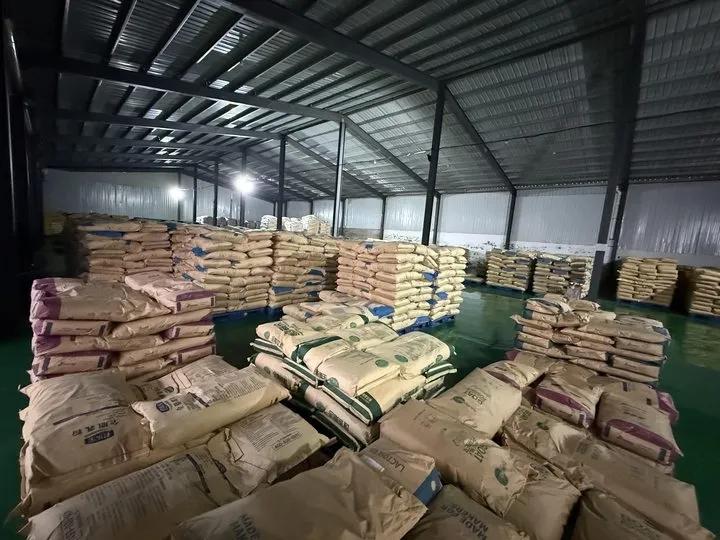
The food and dairy industry in Bangladesh is evolving rapidly. As manufacturers look for consistent quality, efficient production, longer shelf life and better control over raw-material costs, dairy ingredients such as Skimmed Milk Powder (SMP) are becoming increasingly important.SMP is no longer used only as a substitute for liquid milk. It has become a valuable ingredient for manufacturers producing recombined milk, yogurt, ice cream, bakery products, biscuits, confectionery and various dairy-based foods.But what makes SMP so important for the Bangladeshi market?What Is SMP Milk Powder?SMP stands for Skimmed Milk Powder. It is produced by removing most of the water and a significant portion of the milk fat from milk, followed by controlled drying.Under the Codex standard, Skimmed Milk Powder contains a maximum of 1.5% milk fat and a minimum of 34% milk protein in milk solids-not-fat.This makes SMP an efficient source of milk solids and dairy protein while keeping the fat level relatively low.Why Is SMP Becoming Important in Bangladesh?Bangladesh has a growing food-processing and dairy sector. Manufacturers increasingly require dairy ingredients that can provide consistent composition and reliable performance throughout the year.Fresh liquid milk can vary in composition depending on season, collection area, animal feed, weather and other factors. SMP provides manufacturers with a standardized dry ingredient that can be incorporated into formulations according to specific production requirements.For industrial food manufacturers, this consistency can be extremely valuable.1. Longer Storage PotentialOne of the biggest advantages of SMP is its relatively long storage potential compared with fresh liquid milk.Because most of the water has been removed during production, SMP is much less perishable than liquid milk.When properly packaged and stored in a clean, dry and suitable environment, it can be kept for an extended period.For Bangladeshi manufacturers, this can help with:Inventory planningSeasonal supply managementProduction continuityReduced raw-material wastageStrategic purchasing2. Easier Transportation and StorageTransporting liquid milk means transporting a large quantity of water along with the milk solids.SMP offers a more concentrated form of milk solids, making transportation and storage more efficient.This is particularly relevant for manufacturers importing dairy ingredients into Bangladesh. The total landed cost of SMP can be evaluated based on product price, freight, insurance, duties, taxes, port charges, financing and storage.Therefore, manufacturers should compare the cost per usable milk solid, rather than simply comparing the purchase price per kilogram.3. Consistent Product QualityConsistency is one of the most important requirements in modern food manufacturing.SMP allows manufacturers to introduce a controlled quantity of milk solids and protein into their recipes.This can help maintain consistency in:TasteTextureNutritional compositionBody and mouthfeelProduction performanceFor large-scale manufacturers, consistent raw materials can also help reduce batch-to-batch variation.4. Useful for Recombined Milk ProductionOne of the most important applications of SMP is recombined milk.SMP can be reconstituted with water and combined with other dairy ingredients according to the required formulation.This provides manufacturers with greater flexibility in producing milk-based beverages and other dairy products.For a growing market such as Bangladesh, this flexibility can be valuable for businesses that need to manage milk supply, production capacity and product specifications.5. Important Ingredient for Yogurt ProductionSMP can be used to increase milk solids and protein in yogurt formulations.Milk solids influence important characteristics such as:BodyTextureViscosityCreaminessOverall mouthfeelThe appropriate SMP specification should always be selected according to the manufacturer's formulation and processing requirements.6. Applications in Ice Cream ManufacturingIce cream manufacturers also use dairy powders to control milk solids and protein in their formulations.SMP can contribute dairy solids without adding the relatively high level of milk fat found in Whole Milk Powder.This gives manufacturers greater flexibility when designing ice cream formulations.The final formulation can then be adjusted using other ingredients to achieve the desired fat, solids, sweetness and texture.7. Growing Importance in Bakery and Biscuit ManufacturingSMP is not limited to the dairy industry.It can also be used in:BiscuitsCookiesBreadCakesBakery mixesConfectionery productsDepending on the formulation, SMP can contribute milk solids, dairy flavour and protein.For Bangladesh's expanding bakery and biscuit sector, reliable dairy ingredients can therefore play an important role in maintaining consistent product quality.8. Better Production PlanningA manufacturer depending entirely on fresh milk may need to manage daily supply, collection and quality variations.SMP provides another option.By maintaining an appropriate inventory of SMP, manufacturers can plan production more systematically and reduce the risk of raw-material shortages.This does not mean SMP should replace fresh milk in every application. Instead, it can serve as an important strategic dairy ingredient within a broader procurement strategy.9. Potential Financial BenefitsThe financial value of SMP comes from more than its purchase price.Manufacturers can potentially benefit from:Lower transportation requirements ? easier storage ? reduced wastage ? better inventory planning ? consistent formulation ? improved production efficiency.For importers, the calculation should include the complete landed cost.Landed Cost =Product Cost + Freight + Insurance + Customs Duties & Taxes + Port Charges + Financing + StorageComparing this figure with alternative sources of milk solids provides a more realistic basis for purchasing decisions.10. Quality Matters More Than Price AloneAs demand for SMP increases, manufacturers should avoid selecting products based solely on price.The right SMP should meet the technical requirements of the intended application.Important parameters include:ProteinMilk fatMoistureSolubilityHeat classificationMicrobiological qualitySensory characteristicsPackagingShelf lifeCertificate of Analysis (COA)A lower-priced product may not necessarily deliver the lowest overall production cost if it performs poorly during processing.SMP and Bangladesh's Future Food IndustryAs Bangladesh's food-processing industry becomes more sophisticated, manufacturers are increasingly focused on quality control, production efficiency, food safety and cost management.SMP fits well into this changing environment because it offers:A concentrated source of milk solidsLow milk-fat contentConvenient storageEasier transportationConsistent formulationMultiple industrial applicationsIts usefulness extends beyond dairy companies to bakery, biscuit, confectionery, beverage and food-processing businesses.How Should Bangladeshi Manufacturers Choose SMP?Before purchasing SMP, businesses should clearly define their application and required specification.A professional purchasing evaluation should consider:Product SpecificationDoes the SMP meet the required protein, fat, moisture and solubility specifications?ApplicationIs it intended for recombined milk, yogurt, ice cream, bakery or another product?Heat ClassificationDoes the heat treatment level provide the functional properties required by the formulation?Supplier ReliabilityCan the supplier provide consistent quality, documentation and supply?Landed CostWhat is the actual cost after freight, duties, taxes, port charges and other expenses?DocumentationIs a valid Certificate of Analysis available for each batch?ConclusionSMP Milk Powder is becoming an increasingly important dairy ingredient for Bangladesh's growing food and dairy-processing industries.Its combination of longer storage potential, convenient transportation, consistent milk solids, low fat content and broad industrial applications makes it an attractive ingredient for manufacturers looking to improve production efficiency and formulation control.From recombined milk and yogurt to ice cream, biscuits and bakery products, SMP can support a wide range of manufacturing requirements.However, the key to getting the best value from SMP is choosing the right specification from a reliable supplier and evaluating the complete cost and performance—not simply the price per kilogram.For Bangladesh's expanding food-processing sector, SMP is likely to remain an important ingredient in building efficient, consistent and scalable dairy and food production.Frequently Asked QuestionsWhat does SMP stand for?SMP stands for Skimmed Milk Powder.Is SMP suitable for the Bangladeshi food industry?Yes. SMP can be used in a wide range of food and dairy applications, including recombined milk, yogurt, ice cream, bakery and confectionery products.What is the main advantage of SMP?Its major advantages include convenient storage, transportation efficiency, low milk-fat content and consistent milk solids.Is SMP the same as Whole Milk Powder?No. SMP has a much lower milk-fat content. Whole Milk Powder contains substantially more milk fat.How should SMP be stored?SMP should generally be stored in a clean, dry environment, protected from moisture, contamination and unsuitable temperatures, following the manufacturer's storage instructions.What should manufacturers check before buying SMP?Manufacturers should review protein, fat, moisture, solubility, heat classification, microbiological quality, packaging, shelf life and the Certificate of Analysis (COA).Suggested SEO InformationSEO Title:SMP Milk Powder in Bangladesh: Why It Is Becoming an Essential Dairy IngredientMeta Description:Discover why SMP Milk Powder is becoming an important dairy ingredient in Bangladesh, including its applications, cost benefits, storage advantages and role in food manufacturing.Primary Keywords:SMP Milk Powder Bangladesh, Skimmed Milk Powder Bangladesh, SMP supplier Bangladesh, milk powder for food industry, dairy ingredients BangladeshSecondary Keywords:SMP for yogurt, SMP for ice cream, SMP for bakery, SMP for biscuit manufacturing, industrial milk powder Bangladesh
Financial Benefits of Using SMP Milk Powder in the Bangladeshi Market
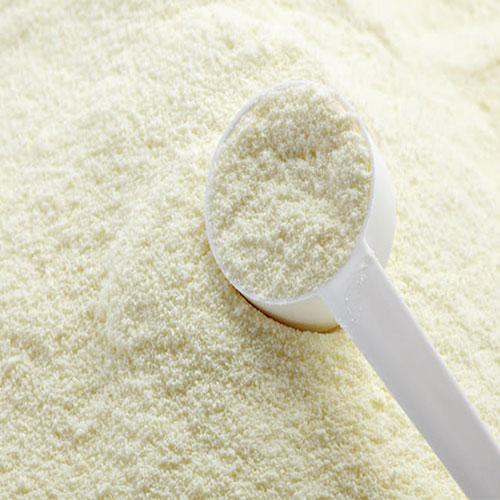
For food and dairy manufacturers in Bangladesh, Skimmed Milk Powder (SMP) can offer several financial and operational advantages. Its value is not limited to the price per kilogram; manufacturers should consider the total cost of milk solids, including transportation, storage, handling, wastage, production efficiency and working-capital requirements.1. Lower Transportation and Logistics CostsOne of the biggest financial advantages of SMP is its low water content.Liquid milk contains a very high proportion of water, which means manufacturers are effectively transporting water along with milk solids. SMP removes most of this water before transportation, allowing a much larger quantity of milk solids to be moved in a relatively compact form.For manufacturers sourcing dairy ingredients from overseas, this can simplify logistics, warehousing and inventory management.2. Reduced Cold-Chain DependencyFresh liquid milk generally requires controlled-temperature handling and rapid processing. SMP, when properly manufactured, packaged and stored, has a much longer storage potential than fresh milk.This can reduce the operational dependence on refrigerated transportation and storage for the milk ingredient itself.For Bangladeshi manufacturers, where temperature, humidity and transportation conditions can create additional logistical challenges, shelf-stable dairy ingredients can provide valuable operational flexibility.3. Better Inventory ManagementSMP can be stored for extended periods under appropriate conditions. This allows manufacturers to maintain strategic inventory rather than depending entirely on daily or short-term liquid-milk supply.For businesses that experience seasonal fluctuations in demand, maintaining an appropriate SMP inventory can help reduce the risk of production interruptions.Better inventory planning can also improve working-capital management because manufacturers can purchase according to production schedules and market conditions.4. Consistent Milk Solids and Product FormulationUsing SMP allows manufacturers to add a relatively consistent quantity of milk solids and protein to a formulation.This is particularly valuable for products such as:Recombined milkYogurtIce creamBiscuitsBakery productsConfectioneryDairy beveragesFood preparationsConsistent raw materials can reduce batch-to-batch variation and help manufacturers maintain product specifications.From a financial perspective, better consistency can mean less product rejection, lower reprocessing costs and improved production efficiency.5. Efficient Use of Milk Protein and SolidsSMP provides milk solids and protein while keeping milk fat relatively low. Under the Codex specification, Skimmed Milk Powder has a maximum milk-fat content of 1.5% and a minimum milk-protein requirement of 34% in milk solids-not-fat.This makes SMP particularly useful when a manufacturer needs to increase milk solids or protein without significantly increasing the fat content of the formulation.The financial benefit comes from being able to design the recipe according to the exact nutritional and functional requirements of the finished product.6. Potential Import-Duty Advantage for Industrial ManufacturersBangladesh's tariff structure is another factor that industrial buyers should examine carefully.For example, Bangladesh's 2025–26 tariff information lists certain SMP-related HS classifications under HS 0402.10. For VAT-compliant milk and milk-product manufacturing industries holding the appropriate Industrial IRC, the listed customs duty for certain non-retail SMP imports is 10%, compared with different rates for other categories. The applicable total tax incidence depends on the exact HS code and importer status.This means eligible industrial manufacturers may have a meaningful cost advantage compared with smaller or differently classified imports.However, companies should always verify the current NBR/Bangladesh Customs tariff, HS classification and eligibility requirements before calculating the landed cost of an SMP shipment.7. Lower Risk of Raw-Material WastageFresh dairy ingredients are highly perishable. SMP, when stored correctly, is considerably more stable.For manufacturers, this can reduce the financial risk associated with:SpoilageExpired liquid milkEmergency disposalSupply interruptionsProduction downtimeReducing raw-material wastage directly improves the effective cost of production.8. Easier Long-Distance SourcingBangladesh's dairy and food industries may source ingredients from international markets. SMP allows manufacturers to purchase dairy solids from global suppliers without the same perishability constraints associated with fresh liquid milk.This gives procurement teams greater flexibility when comparing suppliers, origins, shipping schedules and contract prices.However, international SMP purchasing must include freight, insurance, customs duties, taxes, port charges, financing costs and exchange-rate movements when calculating the actual landed cost.9. Better Production PlanningA manufacturer using SMP can plan production around a standardized dry ingredient rather than relying entirely on the availability and daily quality variation of fresh milk.This can be particularly useful for large-scale food manufacturers that require predictable production volumes.Better production planning can contribute to:Lower downtime ? better factory utilization ? higher production efficiency ? lower cost per unit.10. The Real Financial Calculation: Cost per Kilogram of Milk SolidsThe most important point for manufacturers is that SMP should not be evaluated only by comparing its price per kilogram with the price of liquid milk.A better approach is to calculate the cost of usable milk solids.A simplified calculation can be:Effective Cost = Purchase Price + Freight + Insurance + Duties & Taxes + Port/Handling Costs + Financing Costs + Storage CostsThen compare this against the cost of obtaining an equivalent quantity of milk solids from alternative ingredients.This gives procurement managers a much more realistic picture of the financial value of SMP.SMP Can Be a Strategic Cost-Control ToolIn the Bangladeshi market, the financial value of SMP can come from a combination of factors rather than one single cost advantage.Key potential benefits include:Financial FactorPotential BenefitTransportationLower cost per unit of milk solids transportedStorageLonger storage potential and easier inventory planningCold ChainReduced dependence on refrigerated handling for the powder ingredientWastageLower risk of raw-material spoilageFormulationPrecise control of milk solids and proteinProductionGreater batch-to-batch consistencyProcurementGreater flexibility in international sourcingWorking CapitalMore flexible inventory planningImport StructurePotentially favorable duty treatment for eligible industrial importsFinal Consideration for Bangladeshi ManufacturersSMP can be financially attractive for Bangladesh's dairy and food-processing industries, particularly for manufacturers operating at medium or large scale.However, the cheapest SMP price does not necessarily mean the lowest production cost.Before purchasing, manufacturers should compare suppliers based on:SMP priceProtein specificationFat levelHeat classificationSolubilityMicrobiological specificationPackagingShelf lifeCountry of originFreight costCustoms duty and applicable taxesPort and handling chargesExchange-rate exposurePayment termsCertificate of Analysis (COA)The best purchasing decision is therefore based on total landed cost + product performance, rather than purchase price alone.For Bangladeshi food and dairy manufacturers, a well-selected SMP supply strategy can help improve cost control, production consistency, inventory efficiency and overall profitability.

SMP Milk Powder: A Complete Guide to Skimmed Milk Powder, Uses & Benefits
Skimmed Milk Powder (SMP) is one of the most widely used dairy ingredients in the food and beverage industry. It is valued for its high milk-protein content, low fat level, long shelf life, ease of transportation, and versatility in food manufacturing.From recombined milk and yogurt to bakery products, ice cream, confectionery and nutritional foods, SMP plays an important role in modern dairy and food processing.What Is SMP Milk Powder?SMP stands for Skimmed Milk Powder. It is produced from skimmed milk by removing most of the water through concentration and drying processes.According to the Codex standard for milk powders, Skimmed Milk Powder contains not more than 1.5% milk fat, with a maximum moisture level of 5% and a minimum milk-protein requirement of 34% in milk solids-not-fat.Because most of the milk fat is removed, SMP provides the functional components of milk while keeping the fat content relatively low.How Is Skimmed Milk Powder Produced?The production of SMP involves several carefully controlled processing stages.1. Milk Collection and Quality TestingFresh milk is collected and tested for quality, composition and microbiological safety before entering the processing plant.2. Separation of Milk FatThe milk is passed through centrifugal separators to remove cream and reduce the fat content. This produces skimmed milk.3. Standardization and Heat TreatmentThe skimmed milk is standardized according to the required specification and undergoes controlled heat treatment. The heat treatment influences the functional properties of the final SMP, including protein denaturation and solubility.4. EvaporationA significant portion of the water is removed from the skimmed milk using an evaporation process. This increases the concentration of milk solids before drying.5. Spray DryingThe concentrated milk is atomized into very small droplets inside a spray dryer. Hot drying air rapidly removes the remaining moisture, producing fine milk powder particles.Spray drying is the most common method used for producing skim milk powder and non-fat dry milk.6. Cooling, Packaging and StorageThe finished powder is cooled, inspected and packed in suitable moisture-protective packaging. Proper storage is important to maintain product quality throughout its shelf life.Key Characteristics of SMPHigh-quality SMP is generally recognized for the following characteristics:Low milk-fat contentHigh milk-protein contentGood dispersibility and solubility, depending on the product gradeLight cream-to-white appearanceCharacteristic clean dairy flavourLong storage potential under suitable conditionsConsistent performance in food formulationsThe exact specifications can vary depending on the manufacturer, heat classification and intended application.Different Heat Grades of SMPSMP can be classified according to the heat treatment applied during production.The commonly used categories include:Low-Heat SMPLow-heat SMP generally provides better protein solubility and is often selected for applications where functional protein properties are important.Medium-Heat SMPMedium-heat SMP offers a balance between heat treatment and functional properties and can be used in a variety of dairy and food applications.High-Heat SMPHigh-heat SMP undergoes more intensive heat treatment, resulting in greater whey-protein denaturation. It can be selected for applications where specific functional properties are required.Therefore, choosing the correct heat grade is important when selecting SMP for industrial production.Major Applications of SMP Milk PowderSMP is a highly versatile ingredient and is used across many sectors of the food industry.Dairy ProductsSMP can be used in:Recombined milkYogurtIce creamDairy beveragesMilk-based dessertsIt is particularly useful for increasing milk solids and protein while maintaining a controlled fat level.Bakery and ConfectionerySMP is commonly used in bakery and confectionery formulations. It can contribute milk solids, protein, flavour and desirable processing characteristics.Applications include:BiscuitsBreadCakesCookiesChocolate and confectionery productsRecombined MilkOne of the major industrial applications of SMP is the production of recombined milk. SMP can be reconstituted with water and combined with other dairy ingredients to produce milk-based products.Ice CreamSMP can provide milk solids and protein in ice-cream formulations while allowing manufacturers to control the overall fat content of the recipe.Nutritional and Food ProductsDepending on applicable regulations and formulation requirements, SMP may also be used in nutritional, dietary and other food products.Why Do Food Manufacturers Use SMP?There are several reasons SMP is an important ingredient for food manufacturers.Longer Storage: Removing most of the water makes milk powder much easier to store than liquid milk.Easy Transportation: Powdered milk is significantly more convenient to transport and handle than an equivalent amount of liquid milk.Consistent Formulation: Industrial manufacturers can accurately measure SMP and incorporate it into standardized recipes.Low-Fat Dairy Ingredient: SMP provides milk solids and protein without the higher fat level associated with whole milk powder.Versatility: SMP can be used in a wide range of dairy, bakery, confectionery and food applications.SMP vs. Whole Milk PowderSMP and Whole Milk Powder (WMP) are both important dairy ingredients, but their fat levels are significantly different.FeatureSMPWhole Milk PowderFull NameSkimmed Milk PowderWhole Milk PowderMilk FatMaximum 1.5% under Codex SMP specificationGenerally 26% to less than 42%ProteinMinimum 34% in milk solids-not-fat under CodexMinimum 34% in milk solids-not-fatMain AdvantageHigh milk solids/protein with low fatRicher milk flavour and higher fatCommon UsesRecombined milk, yogurt, bakery, ice creamDairy beverages, chocolate, bakery, confectioneryThese specifications are based on the Codex standard and individual commercial products should always be checked against their manufacturer's specification sheet.What Should You Check When Buying SMP?For industrial use, purchasing decisions should be based on more than price alone.Important quality parameters include:Protein contentMilk-fat contentMoistureSolubilityHeat classificationMicrobiological qualityColour and flavourPackaging qualityShelf lifeCertificate of Analysis (COA)The required specification should be matched to the intended application. For example, SMP for recombined milk may have different functional requirements from SMP intended for bakery or confectionery production.Proper Storage of SMPMilk powder should be protected from moisture, excessive heat, contamination and unsuitable storage conditions.A clean, dry and temperature-controlled storage environment is generally recommended. Packaging should remain properly sealed until the product is required for production.Because SMP has a relatively low fat content, it can have a longer storage potential than whole milk powder when appropriately packaged and stored. FAO notes that dried skimmed milk powder can have a shelf life of around three years under cool, low-humidity conditions, although the actual shelf life depends on the product and manufacturer's specifications.Final ThoughtsSkimmed Milk Powder (SMP) is much more than simply dried milk. It is a highly functional dairy ingredient that provides milk protein and milk solids while keeping fat content low.Its long storage potential, convenient transportation, consistent formulation characteristics and broad range of applications make SMP an essential ingredient for many food and dairy manufacturers.Whether you are producing recombined milk, yogurt, ice cream, bakery products, biscuits or other dairy-based foods, selecting the right grade and specification of SMP can have a significant impact on the quality and consistency of the finished product.For industrial buyers, always review the technical specification, Certificate of Analysis, microbiological requirements, heat classification and application suitability before selecting an SMP supplier.Frequently Asked QuestionsWhat does SMP stand for?SMP stands for Skimmed Milk Powder.Is SMP the same as Whole Milk Powder?No. SMP contains a much lower level of milk fat. Under the Codex standard, SMP has a maximum milk-fat content of 1.5%, while Whole Milk Powder contains at least 26% milk fat and less than 42%.What is SMP mainly used for?SMP is widely used in recombined milk, yogurt, ice cream, bakery, confectionery, nutritional and other food products.How is SMP made?Skimmed milk is separated, heat-treated, concentrated through evaporation and then dried, most commonly using spray drying.Does SMP contain protein?Yes. Codex specifies a minimum milk-protein level of 34% in milk solids-not-fat for Skimmed Milk Powder.