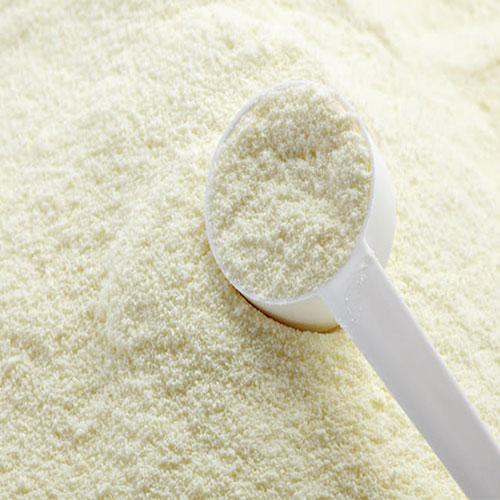
Financial Benefits of Using SMP Milk Powder in the Bangladeshi Market
For food and dairy manufacturers in Bangladesh, Skimmed Milk Powder (SMP) can offer several financial and operational advantages. Its value is not limited to the price per kilogram; manufacturers should consider the total cost of milk solids, including transportation, storage, handling, wastage, production efficiency and working-capital requirements.
1. Lower Transportation and Logistics Costs
One of the biggest financial advantages of SMP is its low water content.
Liquid milk contains a very high proportion of water, which means manufacturers are effectively transporting water along with milk solids. SMP removes most of this water before transportation, allowing a much larger quantity of milk solids to be moved in a relatively compact form.
For manufacturers sourcing dairy ingredients from overseas, this can simplify logistics, warehousing and inventory management.
2. Reduced Cold-Chain Dependency
Fresh liquid milk generally requires controlled-temperature handling and rapid processing. SMP, when properly manufactured, packaged and stored, has a much longer storage potential than fresh milk.
This can reduce the operational dependence on refrigerated transportation and storage for the milk ingredient itself.
For Bangladeshi manufacturers, where temperature, humidity and transportation conditions can create additional logistical challenges, shelf-stable dairy ingredients can provide valuable operational flexibility.
3. Better Inventory Management
SMP can be stored for extended periods under appropriate conditions. This allows manufacturers to maintain strategic inventory rather than depending entirely on daily or short-term liquid-milk supply.
For businesses that experience seasonal fluctuations in demand, maintaining an appropriate SMP inventory can help reduce the risk of production interruptions.
Better inventory planning can also improve working-capital management because manufacturers can purchase according to production schedules and market conditions.
4. Consistent Milk Solids and Product Formulation
Using SMP allows manufacturers to add a relatively consistent quantity of milk solids and protein to a formulation.
This is particularly valuable for products such as:
- Recombined milk
- Yogurt
- Ice cream
- Biscuits
- Bakery products
- Confectionery
- Dairy beverages
- Food preparations
Consistent raw materials can reduce batch-to-batch variation and help manufacturers maintain product specifications.
From a financial perspective, better consistency can mean less product rejection, lower reprocessing costs and improved production efficiency.
5. Efficient Use of Milk Protein and Solids
SMP provides milk solids and protein while keeping milk fat relatively low. Under the Codex specification, Skimmed Milk Powder has a maximum milk-fat content of 1.5% and a minimum milk-protein requirement of 34% in milk solids-not-fat.
This makes SMP particularly useful when a manufacturer needs to increase milk solids or protein without significantly increasing the fat content of the formulation.
The financial benefit comes from being able to design the recipe according to the exact nutritional and functional requirements of the finished product.
6. Potential Import-Duty Advantage for Industrial Manufacturers
Bangladesh's tariff structure is another factor that industrial buyers should examine carefully.
For example, Bangladesh's 2025–26 tariff information lists certain SMP-related HS classifications under HS 0402.10. For VAT-compliant milk and milk-product manufacturing industries holding the appropriate Industrial IRC, the listed customs duty for certain non-retail SMP imports is 10%, compared with different rates for other categories. The applicable total tax incidence depends on the exact HS code and importer status.
This means eligible industrial manufacturers may have a meaningful cost advantage compared with smaller or differently classified imports.
However, companies should always verify the current NBR/Bangladesh Customs tariff, HS classification and eligibility requirements before calculating the landed cost of an SMP shipment.
7. Lower Risk of Raw-Material Wastage
Fresh dairy ingredients are highly perishable. SMP, when stored correctly, is considerably more stable.
For manufacturers, this can reduce the financial risk associated with:
- Spoilage
- Expired liquid milk
- Emergency disposal
- Supply interruptions
- Production downtime
Reducing raw-material wastage directly improves the effective cost of production.
8. Easier Long-Distance Sourcing
Bangladesh's dairy and food industries may source ingredients from international markets. SMP allows manufacturers to purchase dairy solids from global suppliers without the same perishability constraints associated with fresh liquid milk.
This gives procurement teams greater flexibility when comparing suppliers, origins, shipping schedules and contract prices.
However, international SMP purchasing must include freight, insurance, customs duties, taxes, port charges, financing costs and exchange-rate movements when calculating the actual landed cost.
9. Better Production Planning
A manufacturer using SMP can plan production around a standardized dry ingredient rather than relying entirely on the availability and daily quality variation of fresh milk.
This can be particularly useful for large-scale food manufacturers that require predictable production volumes.
Better production planning can contribute to:
Lower downtime ? better factory utilization ? higher production efficiency ? lower cost per unit.
10. The Real Financial Calculation: Cost per Kilogram of Milk Solids
The most important point for manufacturers is that SMP should not be evaluated only by comparing its price per kilogram with the price of liquid milk.
A better approach is to calculate the cost of usable milk solids.
A simplified calculation can be:
Effective Cost = Purchase Price + Freight + Insurance + Duties & Taxes + Port/Handling Costs + Financing Costs + Storage Costs
Then compare this against the cost of obtaining an equivalent quantity of milk solids from alternative ingredients.
This gives procurement managers a much more realistic picture of the financial value of SMP.
SMP Can Be a Strategic Cost-Control Tool
In the Bangladeshi market, the financial value of SMP can come from a combination of factors rather than one single cost advantage.
Key potential benefits include:
Financial FactorPotential BenefitTransportationLower cost per unit of milk solids transportedStorageLonger storage potential and easier inventory planningCold ChainReduced dependence on refrigerated handling for the powder ingredientWastageLower risk of raw-material spoilageFormulationPrecise control of milk solids and proteinProductionGreater batch-to-batch consistencyProcurementGreater flexibility in international sourcingWorking CapitalMore flexible inventory planningImport StructurePotentially favorable duty treatment for eligible industrial imports
Final Consideration for Bangladeshi Manufacturers
SMP can be financially attractive for Bangladesh's dairy and food-processing industries, particularly for manufacturers operating at medium or large scale.
However, the cheapest SMP price does not necessarily mean the lowest production cost.
Before purchasing, manufacturers should compare suppliers based on:
- SMP price
- Protein specification
- Fat level
- Heat classification
- Solubility
- Microbiological specification
- Packaging
- Shelf life
- Country of origin
- Freight cost
- Customs duty and applicable taxes
- Port and handling charges
- Exchange-rate exposure
- Payment terms
- Certificate of Analysis (COA)
The best purchasing decision is therefore based on total landed cost + product performance, rather than purchase price alone.
For Bangladeshi food and dairy manufacturers, a well-selected SMP supply strategy can help improve cost control, production consistency, inventory efficiency and overall profitability.
Innovative Agro Aid
Official Editorial Team