SMP Milk Powder: A Complete Guide to Skimmed Milk Powder, Uses & Benefits
Skimmed Milk Powder (SMP) is one of the most widely used dairy ingredients in the food and beverage industry. It is valued for its high milk-protein content, low fat level, long shelf life, ease of transportation, and versatility in food manufacturing.
From recombined milk and yogurt to bakery products, ice cream, confectionery and nutritional foods, SMP plays an important role in modern dairy and food processing.
What Is SMP Milk Powder?
SMP stands for Skimmed Milk Powder. It is produced from skimmed milk by removing most of the water through concentration and drying processes.
According to the Codex standard for milk powders, Skimmed Milk Powder contains not more than 1.5% milk fat, with a maximum moisture level of 5% and a minimum milk-protein requirement of 34% in milk solids-not-fat.
Because most of the milk fat is removed, SMP provides the functional components of milk while keeping the fat content relatively low.
How Is Skimmed Milk Powder Produced?
The production of SMP involves several carefully controlled processing stages.
1. Milk Collection and Quality Testing
Fresh milk is collected and tested for quality, composition and microbiological safety before entering the processing plant.
2. Separation of Milk Fat
The milk is passed through centrifugal separators to remove cream and reduce the fat content. This produces skimmed milk.
3. Standardization and Heat Treatment
The skimmed milk is standardized according to the required specification and undergoes controlled heat treatment. The heat treatment influences the functional properties of the final SMP, including protein denaturation and solubility.
4. Evaporation
A significant portion of the water is removed from the skimmed milk using an evaporation process. This increases the concentration of milk solids before drying.
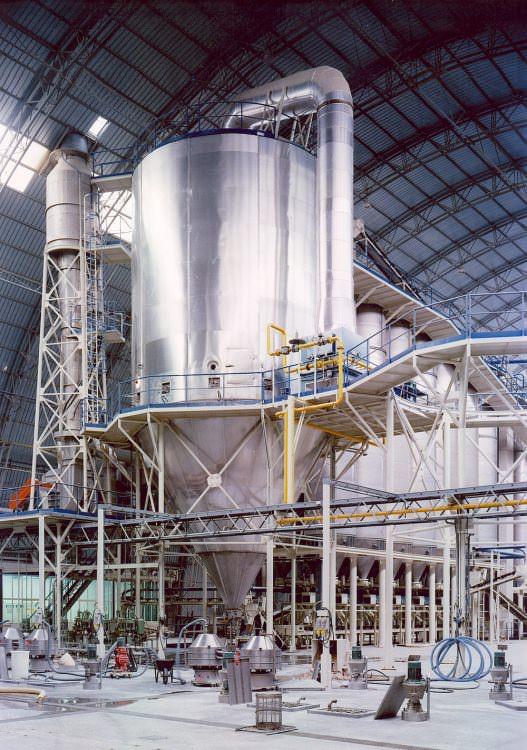
5. Spray Drying
The concentrated milk is atomized into very small droplets inside a spray dryer. Hot drying air rapidly removes the remaining moisture, producing fine milk powder particles.
Spray drying is the most common method used for producing skim milk powder and non-fat dry milk.
6. Cooling, Packaging and Storage
The finished powder is cooled, inspected and packed in suitable moisture-protective packaging. Proper storage is important to maintain product quality throughout its shelf life.
Key Characteristics of SMP
High-quality SMP is generally recognized for the following characteristics:
- Low milk-fat content
- High milk-protein content
- Good dispersibility and solubility, depending on the product grade
- Light cream-to-white appearance
- Characteristic clean dairy flavour
- Long storage potential under suitable conditions
- Consistent performance in food formulations
The exact specifications can vary depending on the manufacturer, heat classification and intended application.
Different Heat Grades of SMP
SMP can be classified according to the heat treatment applied during production.
The commonly used categories include:
Low-Heat SMP
Low-heat SMP generally provides better protein solubility and is often selected for applications where functional protein properties are important.
Medium-Heat SMP
Medium-heat SMP offers a balance between heat treatment and functional properties and can be used in a variety of dairy and food applications.
High-Heat SMP
High-heat SMP undergoes more intensive heat treatment, resulting in greater whey-protein denaturation. It can be selected for applications where specific functional properties are required.
Therefore, choosing the correct heat grade is important when selecting SMP for industrial production.
Major Applications of SMP Milk Powder
SMP is a highly versatile ingredient and is used across many sectors of the food industry.
Dairy Products
SMP can be used in:
- Recombined milk
- Yogurt
- Ice cream
- Dairy beverages
- Milk-based desserts
It is particularly useful for increasing milk solids and protein while maintaining a controlled fat level.
Bakery and Confectionery
SMP is commonly used in bakery and confectionery formulations. It can contribute milk solids, protein, flavour and desirable processing characteristics.
Applications include:
- Biscuits
- Bread
- Cakes
- Cookies
- Chocolate and confectionery products
Recombined Milk
One of the major industrial applications of SMP is the production of recombined milk. SMP can be reconstituted with water and combined with other dairy ingredients to produce milk-based products.
Ice Cream
SMP can provide milk solids and protein in ice-cream formulations while allowing manufacturers to control the overall fat content of the recipe.
Nutritional and Food Products
Depending on applicable regulations and formulation requirements, SMP may also be used in nutritional, dietary and other food products.
Why Do Food Manufacturers Use SMP?
There are several reasons SMP is an important ingredient for food manufacturers.
Longer Storage: Removing most of the water makes milk powder much easier to store than liquid milk.
Easy Transportation: Powdered milk is significantly more convenient to transport and handle than an equivalent amount of liquid milk.
Consistent Formulation: Industrial manufacturers can accurately measure SMP and incorporate it into standardized recipes.
Low-Fat Dairy Ingredient: SMP provides milk solids and protein without the higher fat level associated with whole milk powder.
Versatility: SMP can be used in a wide range of dairy, bakery, confectionery and food applications.
SMP vs. Whole Milk Powder
SMP and Whole Milk Powder (WMP) are both important dairy ingredients, but their fat levels are significantly different.
FeatureSMPWhole Milk PowderFull NameSkimmed Milk PowderWhole Milk PowderMilk FatMaximum 1.5% under Codex SMP specificationGenerally 26% to less than 42%ProteinMinimum 34% in milk solids-not-fat under CodexMinimum 34% in milk solids-not-fatMain AdvantageHigh milk solids/protein with low fatRicher milk flavour and higher fatCommon UsesRecombined milk, yogurt, bakery, ice creamDairy beverages, chocolate, bakery, confectionery
These specifications are based on the Codex standard and individual commercial products should always be checked against their manufacturer's specification sheet.
What Should You Check When Buying SMP?
For industrial use, purchasing decisions should be based on more than price alone.
Important quality parameters include:
- Protein content
- Milk-fat content
- Moisture
- Solubility
- Heat classification
- Microbiological quality
- Colour and flavour
- Packaging quality
- Shelf life
- Certificate of Analysis (COA)
The required specification should be matched to the intended application. For example, SMP for recombined milk may have different functional requirements from SMP intended for bakery or confectionery production.
Proper Storage of SMP
Milk powder should be protected from moisture, excessive heat, contamination and unsuitable storage conditions.
A clean, dry and temperature-controlled storage environment is generally recommended. Packaging should remain properly sealed until the product is required for production.
Because SMP has a relatively low fat content, it can have a longer storage potential than whole milk powder when appropriately packaged and stored. FAO notes that dried skimmed milk powder can have a shelf life of around three years under cool, low-humidity conditions, although the actual shelf life depends on the product and manufacturer's specifications.
Final Thoughts
Skimmed Milk Powder (SMP) is much more than simply dried milk. It is a highly functional dairy ingredient that provides milk protein and milk solids while keeping fat content low.
Its long storage potential, convenient transportation, consistent formulation characteristics and broad range of applications make SMP an essential ingredient for many food and dairy manufacturers.
Whether you are producing recombined milk, yogurt, ice cream, bakery products, biscuits or other dairy-based foods, selecting the right grade and specification of SMP can have a significant impact on the quality and consistency of the finished product.
For industrial buyers, always review the technical specification, Certificate of Analysis, microbiological requirements, heat classification and application suitability before selecting an SMP supplier.
Frequently Asked Questions
What does SMP stand for?
SMP stands for Skimmed Milk Powder.
Is SMP the same as Whole Milk Powder?
No. SMP contains a much lower level of milk fat. Under the Codex standard, SMP has a maximum milk-fat content of 1.5%, while Whole Milk Powder contains at least 26% milk fat and less than 42%.
What is SMP mainly used for?
SMP is widely used in recombined milk, yogurt, ice cream, bakery, confectionery, nutritional and other food products.
How is SMP made?
Skimmed milk is separated, heat-treated, concentrated through evaporation and then dried, most commonly using spray drying.
Does SMP contain protein?
Yes. Codex specifies a minimum milk-protein level of 34% in milk solids-not-fat for Skimmed Milk Powder.

Innovative Agro Aid
Official Editorial Team